Sydney harbour is the defining characteristic of the city. Its multiple sandstone headlands, dramatic cliffs, rocky islands and stunning bays and beaches, make it one of the most beautiful stretches of water in the world.

The Sydney area was the ancestral home of the Daruk tribe, whose territory extended from Botany Bay to Pittwater. There are some 2000 Aboriginal rock engraving sites in the Sydney area, and many of Sydney's suburbs have Aboriginal names.

The city of Sydney began life as a penal colony in 1788, and for the next 60 years received the unwanted, persecuted and criminal elements of British society.

Despite its brutal beginnings, the city's mixture of pragmatic egalitarianism and plain indifference has transformed it into a thriving multicultural society. Sydney now attracts the majority of Australia's immigrants and the city's predominantly Anglo-Irish heritage has been revitalised by large influxes of Italian, Lebanese, Turkish, Greek, Chinese and Vietnamese

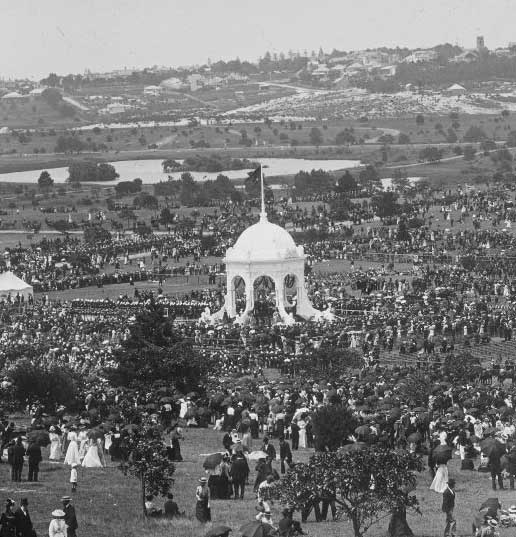
Australia's states federated on 1 January 1901 - New South Wales became a state of Australia, and Sydney became NSW's capital.

Australia went to war in support of Britain in 1914, and the economy boomed until the late 20s, when the Great Depression hit. In 1931 around a third of Sydney's workforce was unemployed.

But in 1932 wool prices rose, the city's building industry took off and
Sydney once more became the most special city in Australia. The Harbour Bridge was also opened in 1932.


Now you can send someone you love a genuine Aussie gift that will really surprise them.. Click below.
(You can even attach your own personal message...and make it as long as you like)


The best times to visit are the shoulder seasons of spring and autumn, especially around March-April or October - November. Sydney is blessed with a temperate climate and averages summer temperatures of around 25°C (77°F).

It can get up to 40°C (104°F) on a hot day and high humidity can make it oppressive, but torrential downpours often break the heat between October and March. Winters are cool rather than cold. Beach lovers unperturbed by the hazards of lizard-skin and melanomas should come between December and February.

Sydney at Night

Bondi Beach is the grand dame of Sydney's beaches with a magnificent sweep of sand and a never-ending series of majestic rollers crashing into the shallow. The suburb of Bondi Beach is an eclectic mix of ice cream parlours, designer cafes, greasy fish & chips joints, kosher shops and surf fashion stores.

The seafront promenade and pavilion have been given a welcome facelift; car parking and fixing the offshore sewage outlets remain the only problems.

The centre of Sydney is on the south shore of the harbour, about 7km (4mi) inland from the harbour heads. The CBD has become a mini Manhattan of skyscrapers vying for dominance and harbour views, but its relentlessness is softened by shady Hyde Park and the Domain parkland to the east, Darling Harbour to the west and the main harbour to the north.

The Sydney Harbour Bridge and the harbour tunnel link the city centre with the satellite CBD of North Sydney and the suburbs of the North Shore.

Sydney Harbour

The city's airport, Kingsford Smith (otherwise known as Mascot), is about 10km (6mi) south of the city centre. Central Station, Sydney's main train station, is in the south of the city centre, and the main bus terminal is just outside it. The city has a population of 3.7 million and is growing fast.

The inner city areas of Woolloomooloo, East Sydney, Darlinghurst, Surry Hills, Paddington, Newtown, Glebe and Balmain are an interesting mix of bohemian, gentrified, gay and traditional working class suburbs.

There are three distinct socio-geographic areas outside the inner suburbs:
the wealthy eastern suburbs stretching from Kings Cross to South Head; the middle class family-oriented North Shore and the less wealthy and much disparaged western suburbs, stretching inland for over 50km (31mi) to the foothills of the Blue Mountains.

Sydney harbour is the focal point of the city, and its beaches, coves, bays and waterside parks offer welcome release from the rigours of urban life. Criss-crossed by ferries and carpeted by yachts on weekends, Sydney harbour is both the city playground and a major port.

One of Sydney's Parks


The Sydney Film Festival takes place in June, and the 14km City to Surf Run in August. The Rugby League Grand Final is in September and the Manly Jazz Festival is held in October.

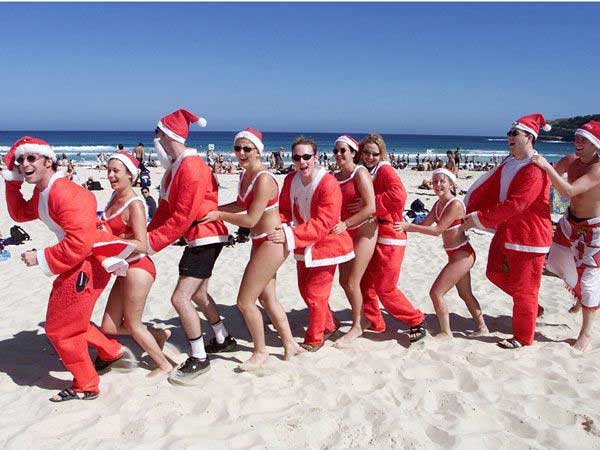
The city's Christmas orphans traditionally gather on Bondi Beach on Christmas Day, drinking up a storm and keeping the life-savers and police busier than they would like to be on a public holiday. After a short nap, they do it all over again on New Year's Eve. Those scared of the water usually do their end-of-the-year hellraising in The Rocks or Kings Cross.

The huge Festival of Sydney takes up most of January. It's the umbrella for a number of events from open air concerts in the Domain, to street theatre and fireworks.

The Great Ferry Boat Race and the more serious Sydney to Hobart Yacht Race are also in January. The outlandish Gay & Lesbian Mardi Gras is in February/March and should not be missed.

The more traditional 12-day Royal Easter Show brings the country to the city.

The Monorail is an elevated toy train that shuttles uselessly between the city and Darling Harbour. Sydneysiders either love its sub-Bladerunner futurism or thinks it's a godawful eyesore, depending on their aesthetic bent. Taxis are plentiful and car and bike hire are widely available.


Click on Your Favourite Cuddly Aussie or Here for More Facts